#ScalableSystems

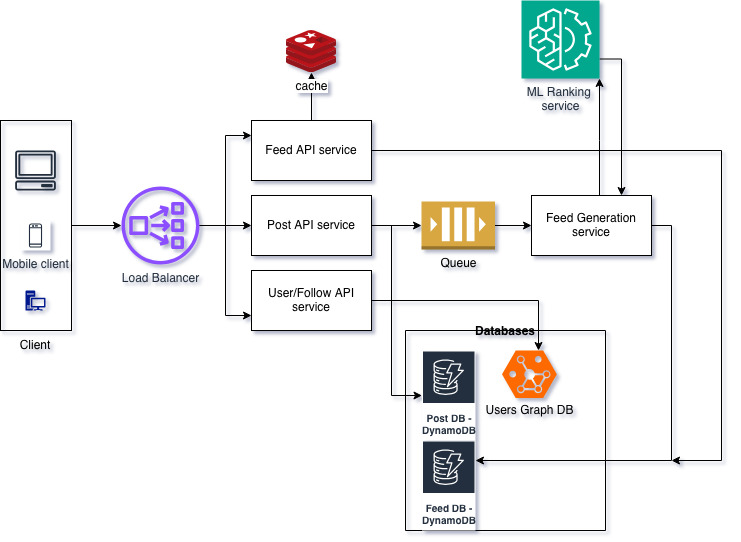
Design a scalable (News Feed) Social Media Feed system

Design a News Feed / Social Media Feed System A News Feed system is the backbone of every modern social platform—Facebook, Instagram, Twitter/X, LinkedIn. It decides what content a user sees, in what order, and how fast. From a system design perspective, this is one of the hardest problems because it combines massive scale, low […]

Design a scalable (News Feed) Social Media Feed system Read More »
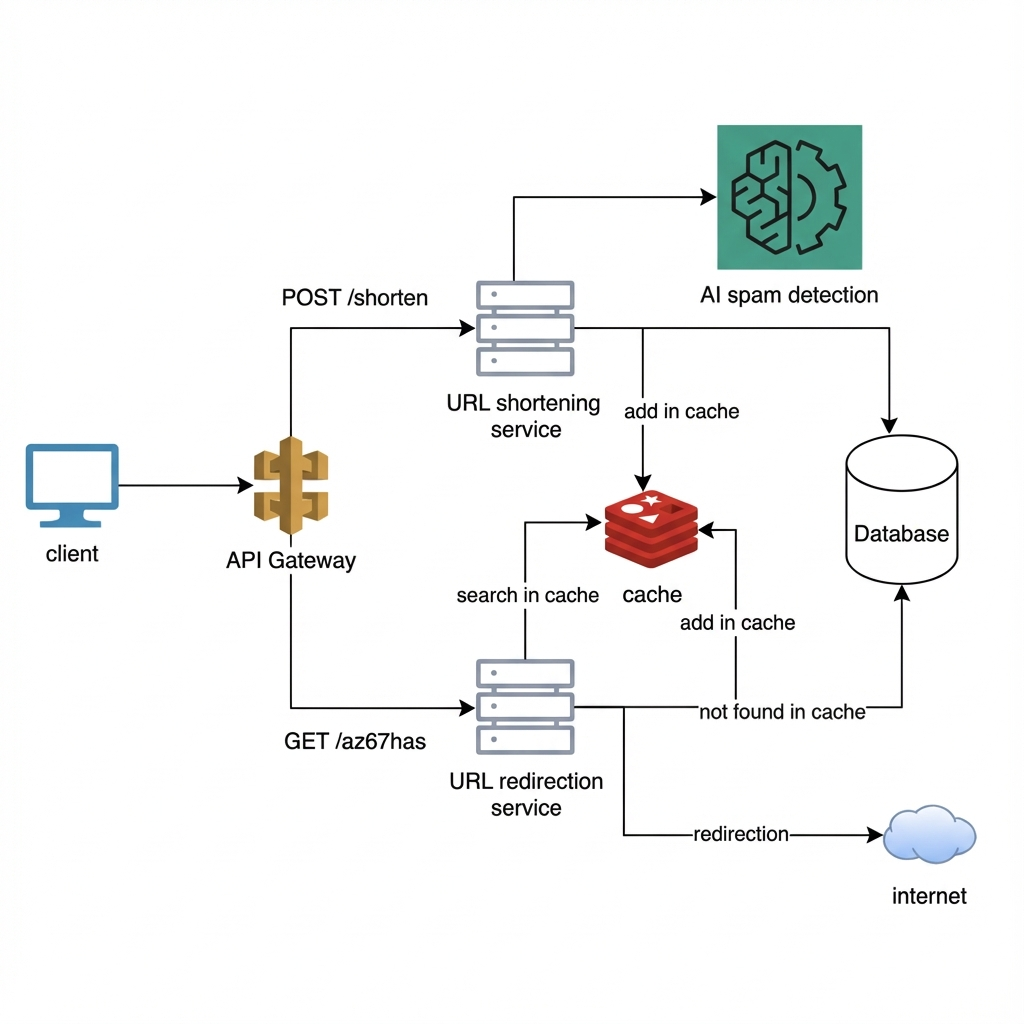
Designing a Scalable URL Shortener (TinyURL)

Designing a URL shortener looks simple on the surface—but at scale, it becomes a classic distributed systems problem involving performance, scalability, caching, databases, and trade-offs. In this post, we will design a production-grade URL shortener using a clear 14-step system design framework that you can reuse for any system design interview or real-world architecture discussion.

Designing a Scalable URL Shortener (TinyURL) Read More »

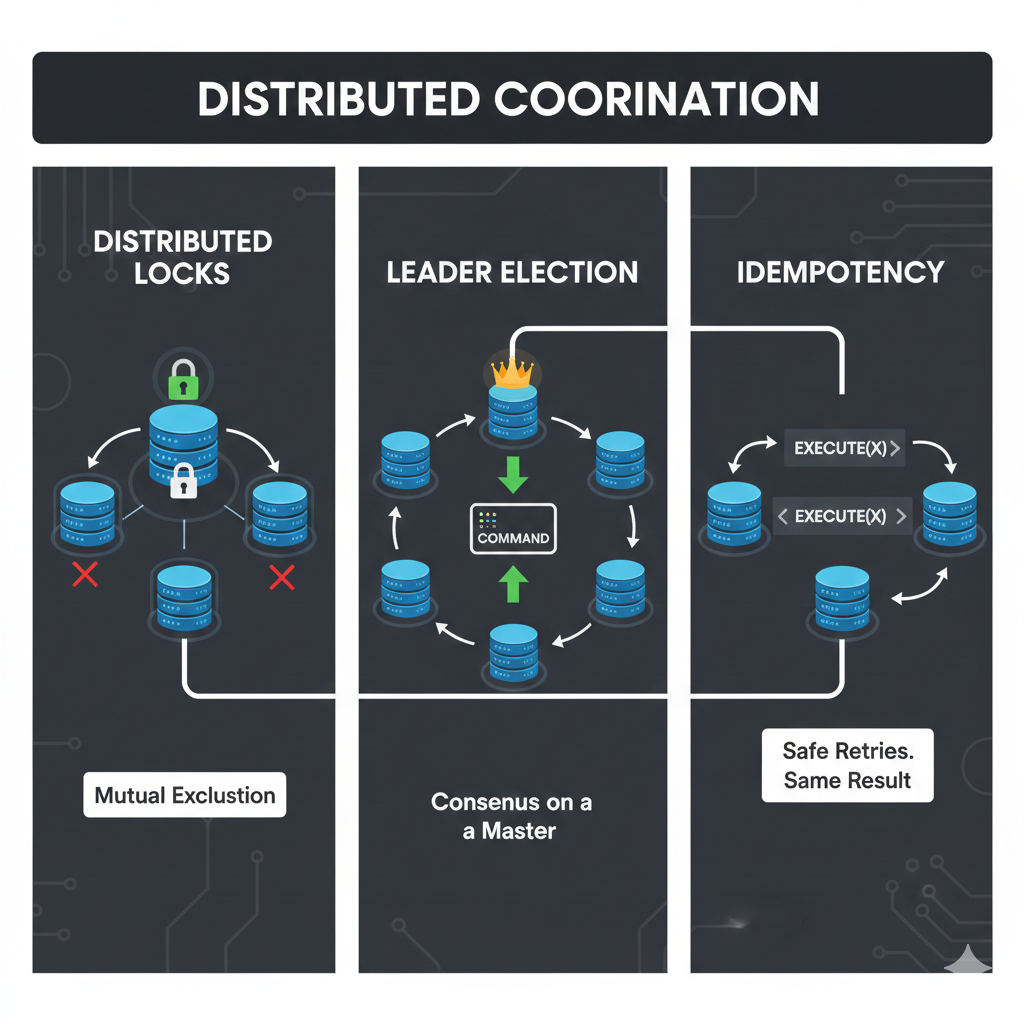
Distributed Coordination: Locks, Leader Election & Idempotency

In distributed systems, multiple services run independently and communicate over unreliable networks.Coordinating actions across these services is challenging but essential for correctness and consistency. In this blog, we’ll explore distributed locks, leader election, and idempotency—three foundational coordination concepts. Why Coordination Is Hard Distributed systems face: Without coordination, systems may: Distributed Locks A distributed lock ensures

Distributed Coordination: Locks, Leader Election & Idempotency Read More »

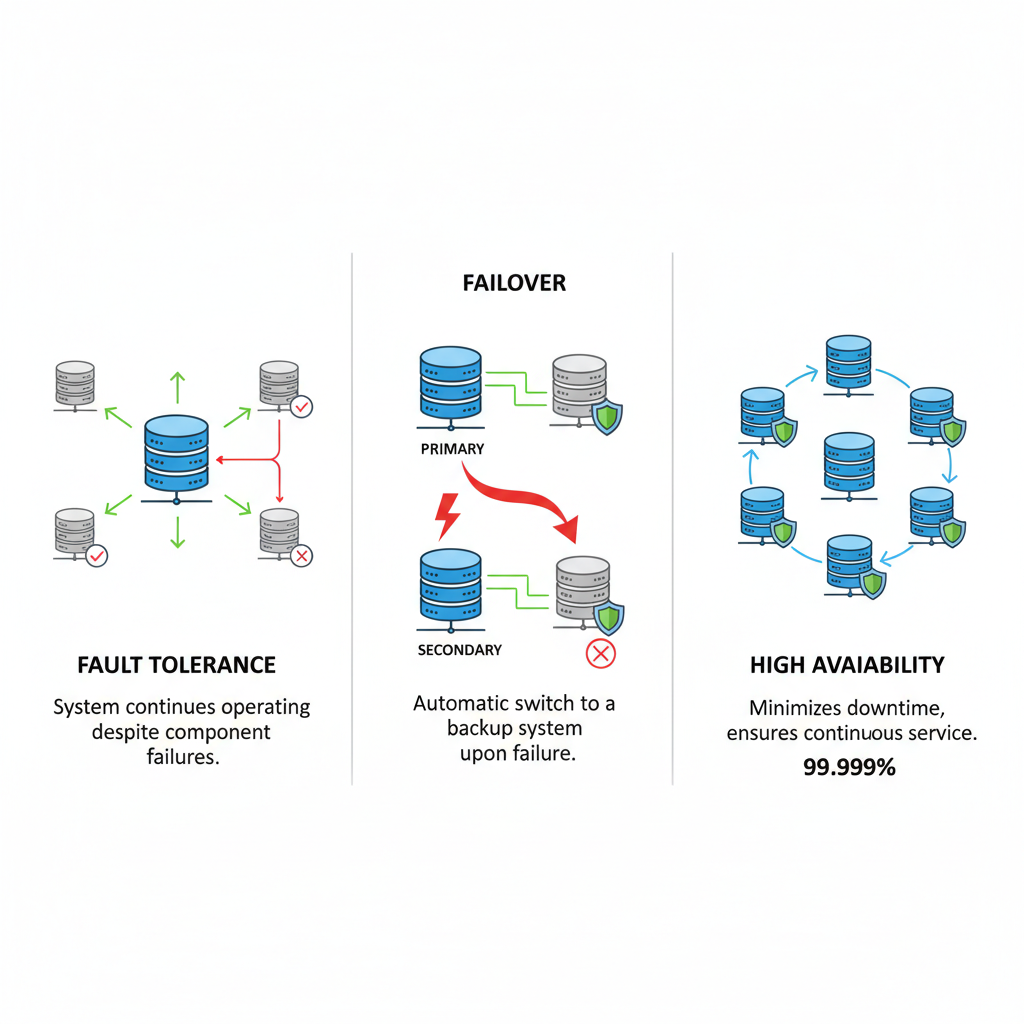
Fault Tolerance, Failover & High Availability

Failures are inevitable in distributed systems.Servers crash, networks fail, and data centers go down. Good system design focuses not on preventing failures, but on handling them gracefully. In this blog, we’ll cover fault tolerance, failover, and high availability, and how modern systems stay reliable at scale. Understanding Failures in Distributed Systems Common types of failures

Fault Tolerance, Failover & High Availability Read More »

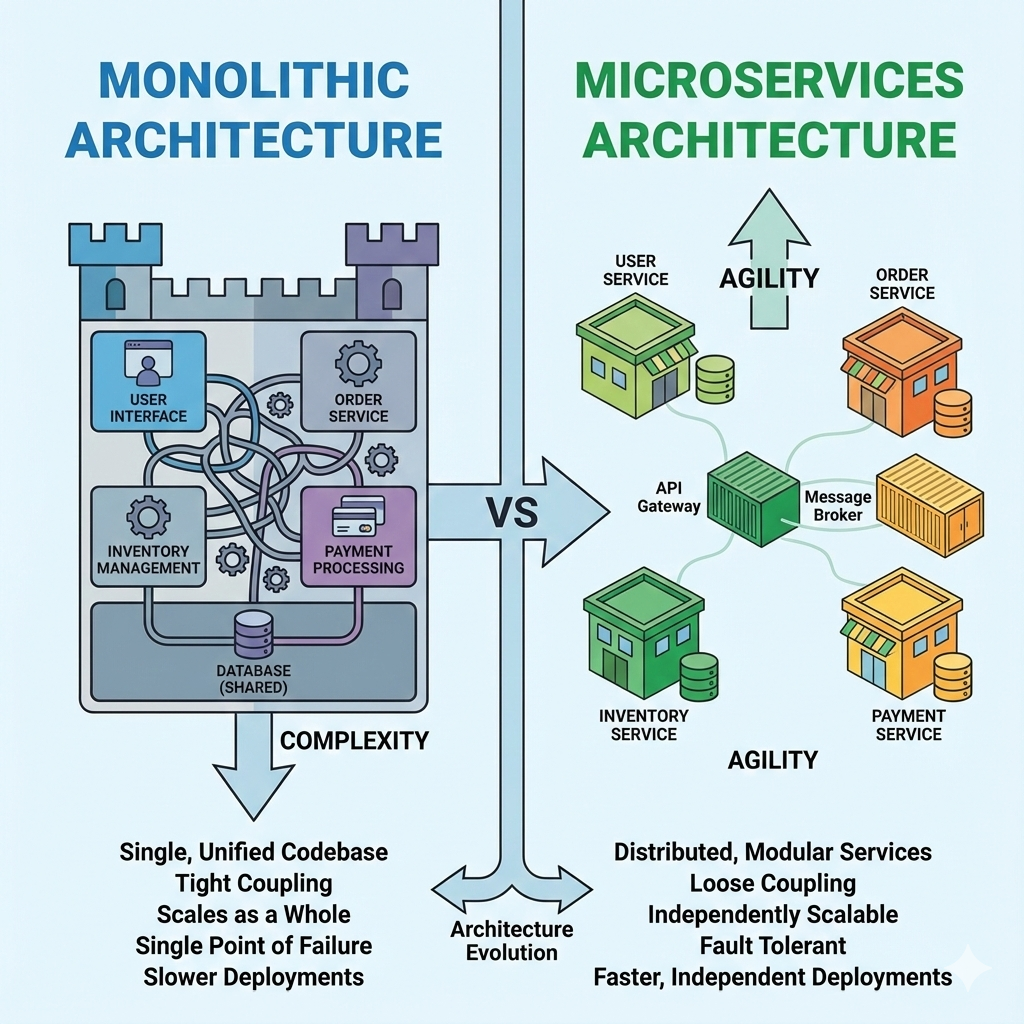
Microservices vs Monolith

Choosing the right architecture is one of the most important decisions in system design.Two common approaches are monolithic architecture and microservices architecture. Each has its strengths, weaknesses, and ideal use cases. In this blog, we’ll clearly compare monoliths vs microservices, explain trade-offs, and help you decide when to use each. What Is a Monolithic Architecture?

Microservices vs Monolith Read More »

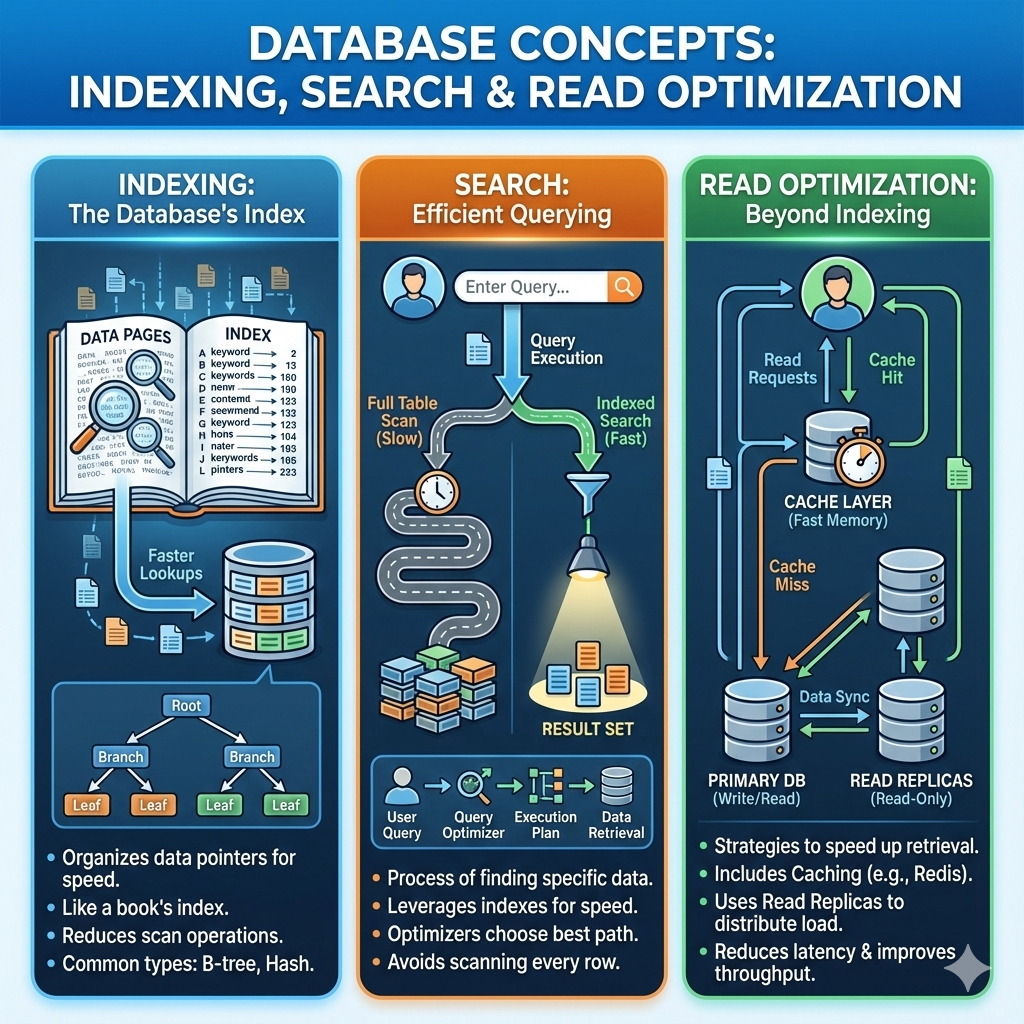
Indexing, Search & Read Optimization

In large-scale systems, reads dominate writes.Users expect fast responses, whether they’re searching, scrolling feeds, or loading product pages. This is why indexing and read optimization are critical parts of system design. In this blog, we’ll cover how indexes work, their trade-offs, and how search systems optimize reads at scale. What Is an Index? An index

Indexing, Search & Read Optimization Read More »

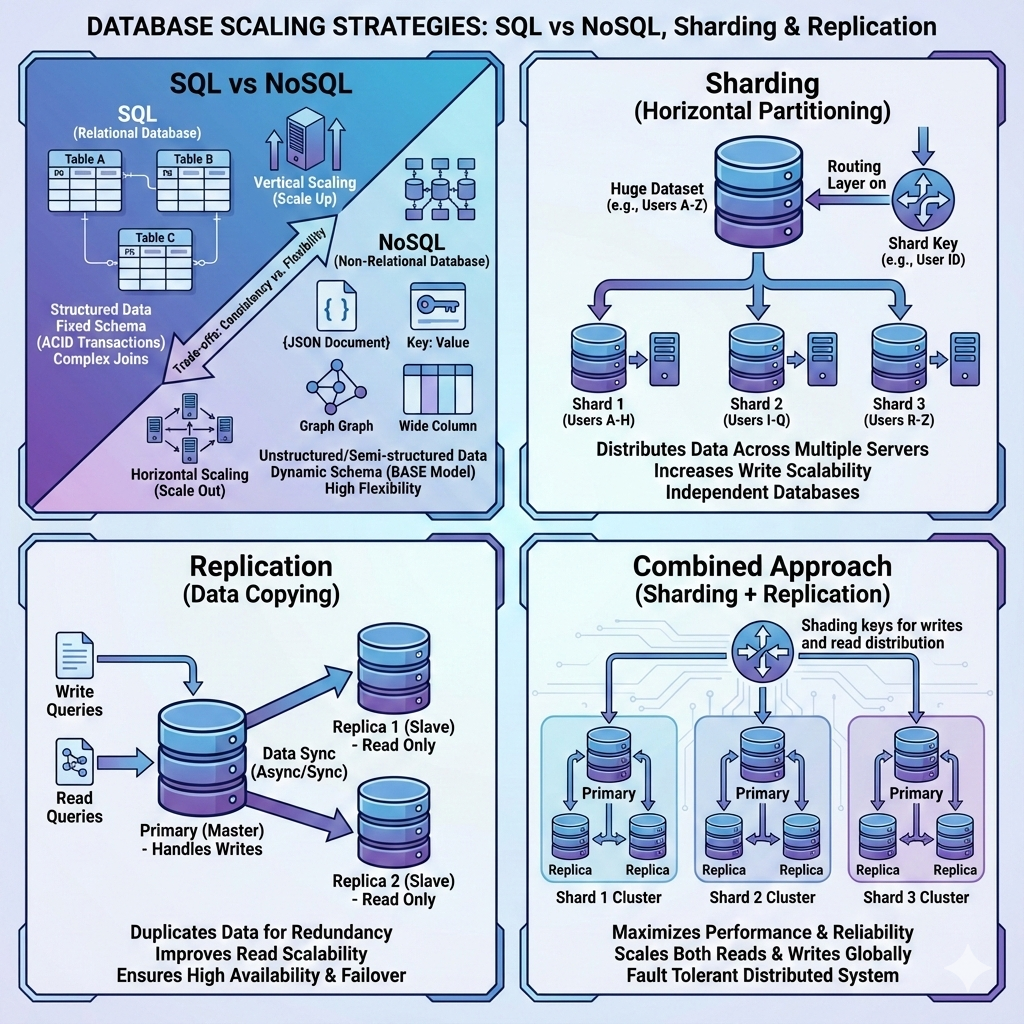
SQL vs NoSQL, Sharding & Replication

As systems grow, data becomes the hardest part to scale.Choosing the right database model and scaling strategy directly impacts performance, availability, consistency, and cost. In this blog, we’ll go deeper into SQL vs NoSQL, sharding, and replication, covering all essential concepts needed for real-world system design and interviews. SQL vs NoSQL Databases SQL Databases (Relational)

SQL vs NoSQL, Sharding & Replication Read More »

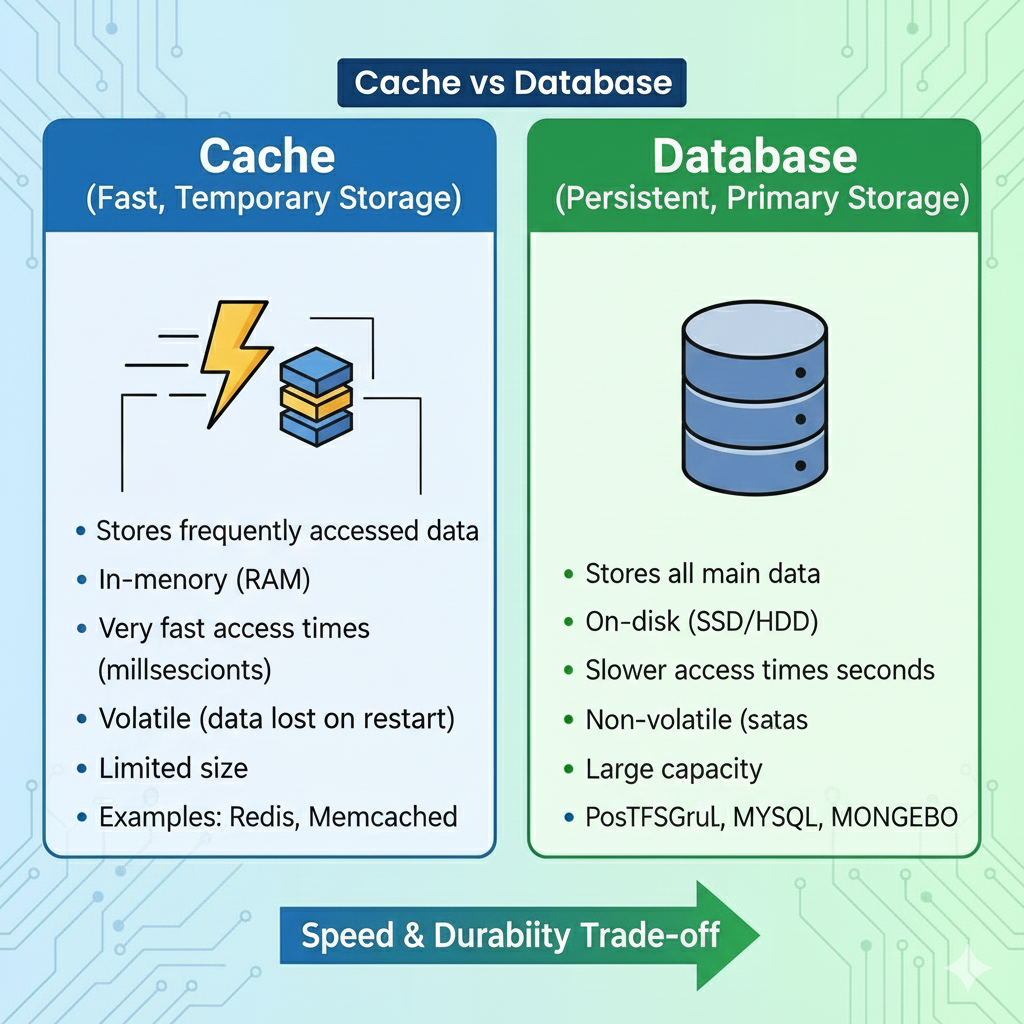
Caching, Databases & Storage Basics

As systems grow, performance and scalability become critical.Most real-world applications cannot rely on databases alone. This is where caching and proper storage choices play a key role in system design. In this blog, we’ll cover why caching is needed, how databases differ, and basic storage types—keeping it simple and practical. Why Caching Is Needed Databases

Caching, Databases & Storage Basics Read More »

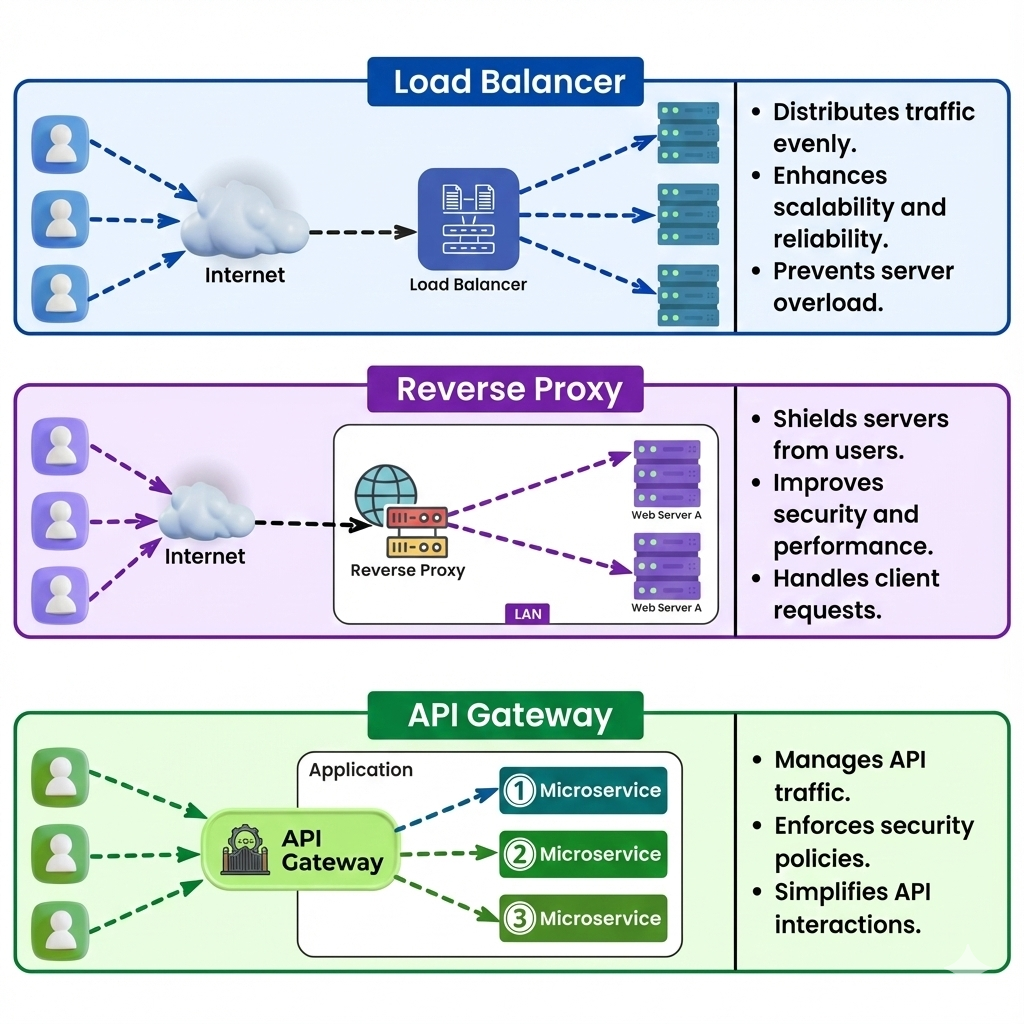
Traffic Management & APIs in System Design

Efficient traffic management is critical for building scalable, reliable, and secure systems.As systems grow, the number of users, requests, and services increases, making it essential to understand how traffic flows and how APIs are managed. In this blog, we’ll cover load balancers, reverse proxies, API gateways, and rate limiting with examples to make the concepts

Traffic Management & APIs in System Design Read More »

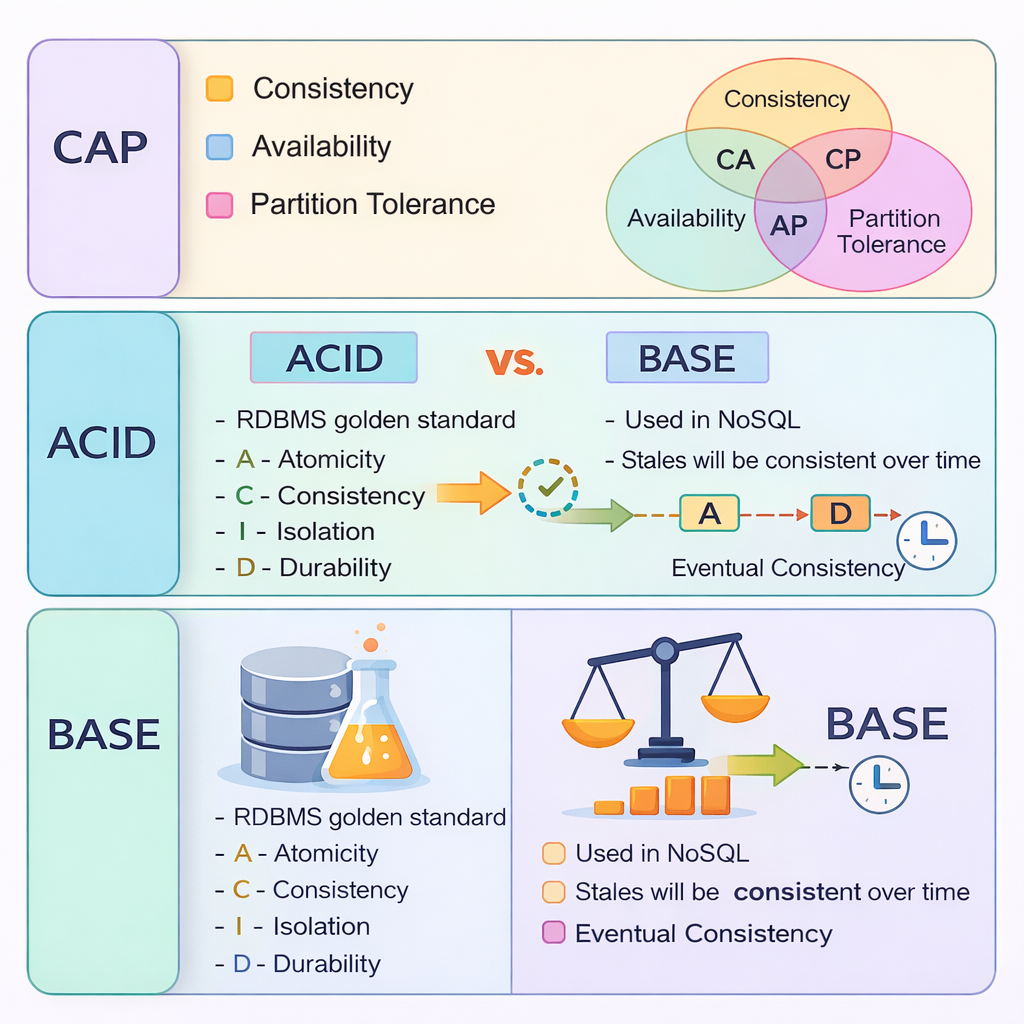
CAP Theorem, ACID & BASE in System Design

Understanding how distributed systems behave is critical for building reliable software.Two key concepts that guide system behavior are the CAP Theorem and ACID/BASE properties. This blog explains these concepts simply, so you can apply them in real-world designs and interviews. CAP Theorem CAP stands for Consistency, Availability, and Partition Tolerance. Key Points: Rule: In a

CAP Theorem, ACID & BASE in System Design Read More »