System Design

Design a Rate Limiter

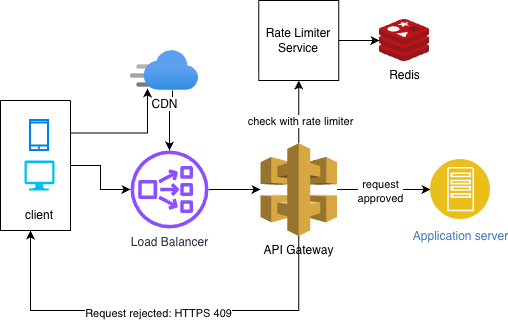
Rate limiting is a critical building block in modern distributed systems. Almost every large-scale system, whether it is an API platform, social network, payment gateway, or SaaS product, relies on rate limiting to protect itself from abuse, ensure fair usage, and control infrastructure costs. In this blog, we will design a scalable, distributed rate limiter, […]

Design a Rate Limiter Read More »
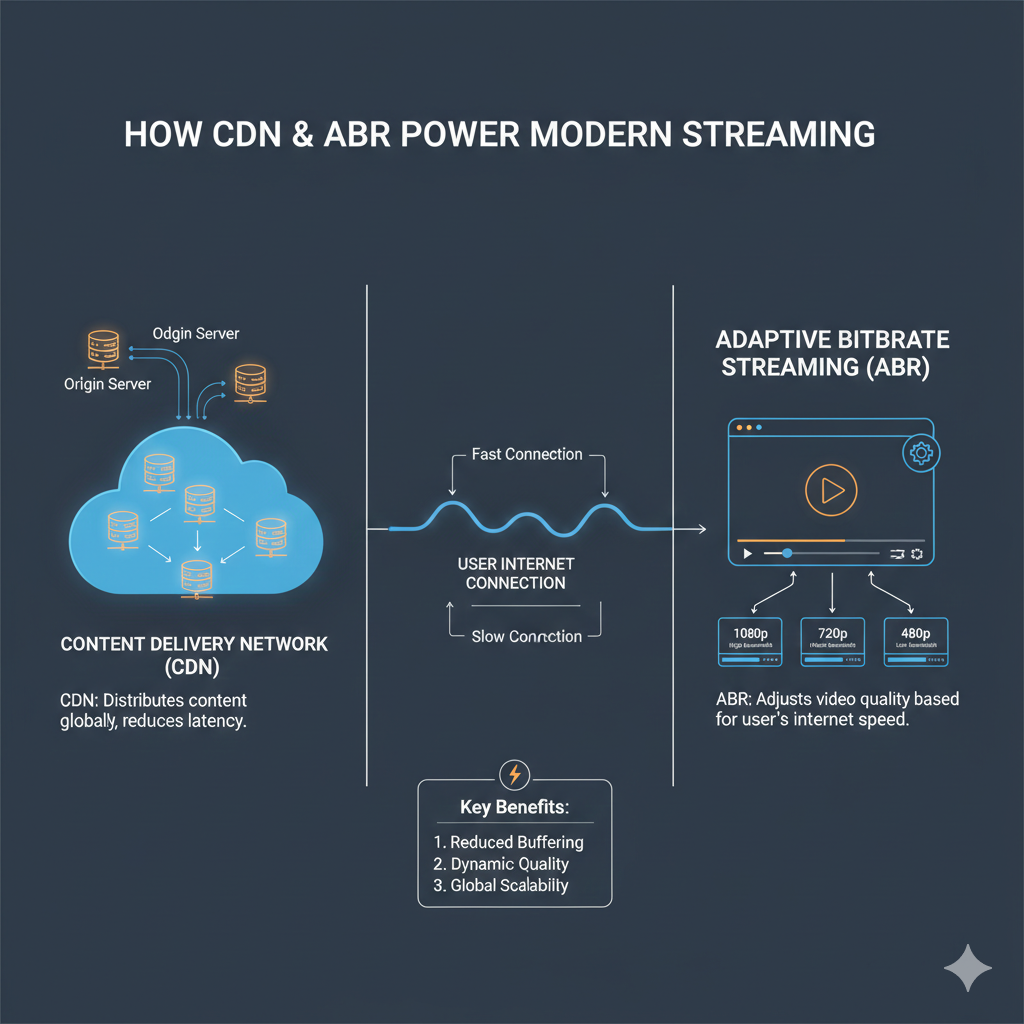
How ABR and CDN together define modern video streaming

Adaptive Bitrate Streaming (ABR) – Deep Dive Traditional video streaming attempted to deliver a single video file at a fixed bitrate. This approach failed badly in real-world conditions where network bandwidth fluctuates constantly — especially on mobile networks. Adaptive Bitrate Streaming (ABR) solves this problem by continuously adjusting video quality based on real-time network conditions

How ABR and CDN together define modern video streaming Read More »

Design a scalable Video Streaming System

Video streaming platforms like YouTube, Netflix, Hotstar, Amazon Prime, and Vimeo serve millions of hours of video daily. Designing such a system is challenging because video streaming is bandwidth-heavy, latency-sensitive, and highly scalable by nature. Unlike text or images, video data is large, continuous, and must be delivered smoothly even under unstable network conditions. In

Design a scalable Video Streaming System Read More »

Design a scalable (News Feed) Social Media Feed system

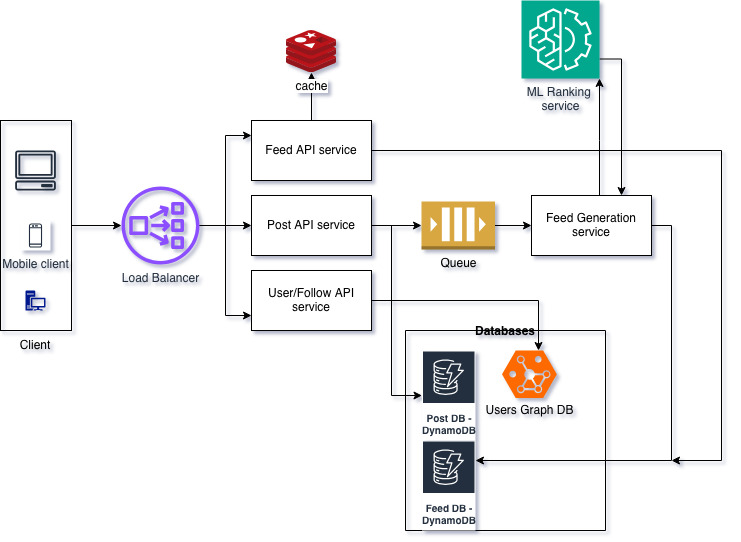
Design a News Feed / Social Media Feed System A News Feed system is the backbone of every modern social platform—Facebook, Instagram, Twitter/X, LinkedIn. It decides what content a user sees, in what order, and how fast. From a system design perspective, this is one of the hardest problems because it combines massive scale, low

Design a scalable (News Feed) Social Media Feed system Read More »

Designing a Scalable Notification System

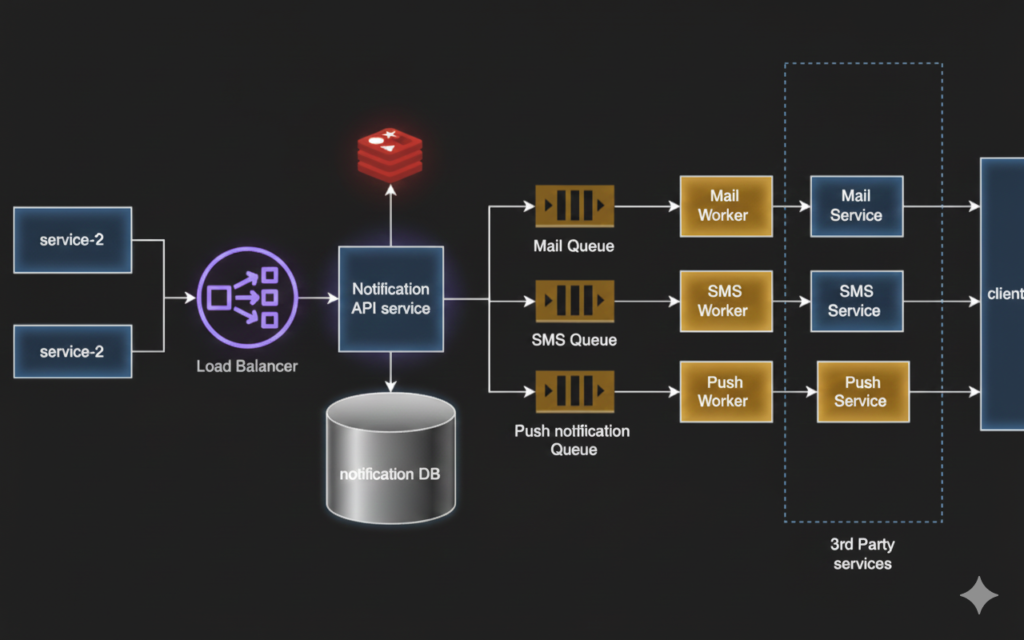
Notification systems are a critical infrastructure component for modern applications. Whether it is an OTP SMS, an order confirmation email, a push notification for a social update, or an internal system alert, notifications form the bridge between backend systems and end users. At small scale, sending notifications may appear trivial. However, at scale—where millions of

Designing a Scalable Notification System Read More »

Designing a Scalable URL Shortener (TinyURL)

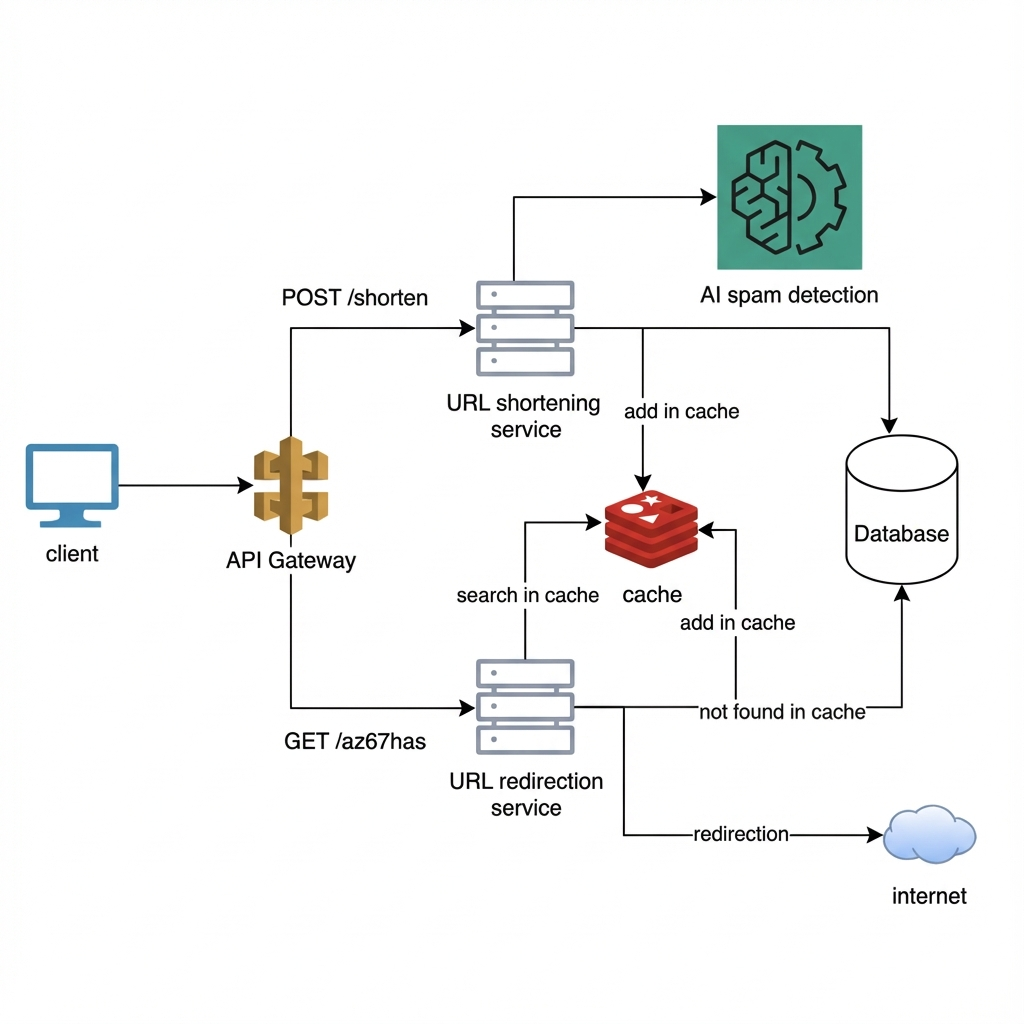
Designing a URL shortener looks simple on the surface—but at scale, it becomes a classic distributed systems problem involving performance, scalability, caching, databases, and trade-offs. In this post, we will design a production-grade URL shortener using a clear 14-step system design framework that you can reuse for any system design interview or real-world architecture discussion.

Designing a Scalable URL Shortener (TinyURL) Read More »

Distributed Coordination: Locks, Leader Election & Idempotency

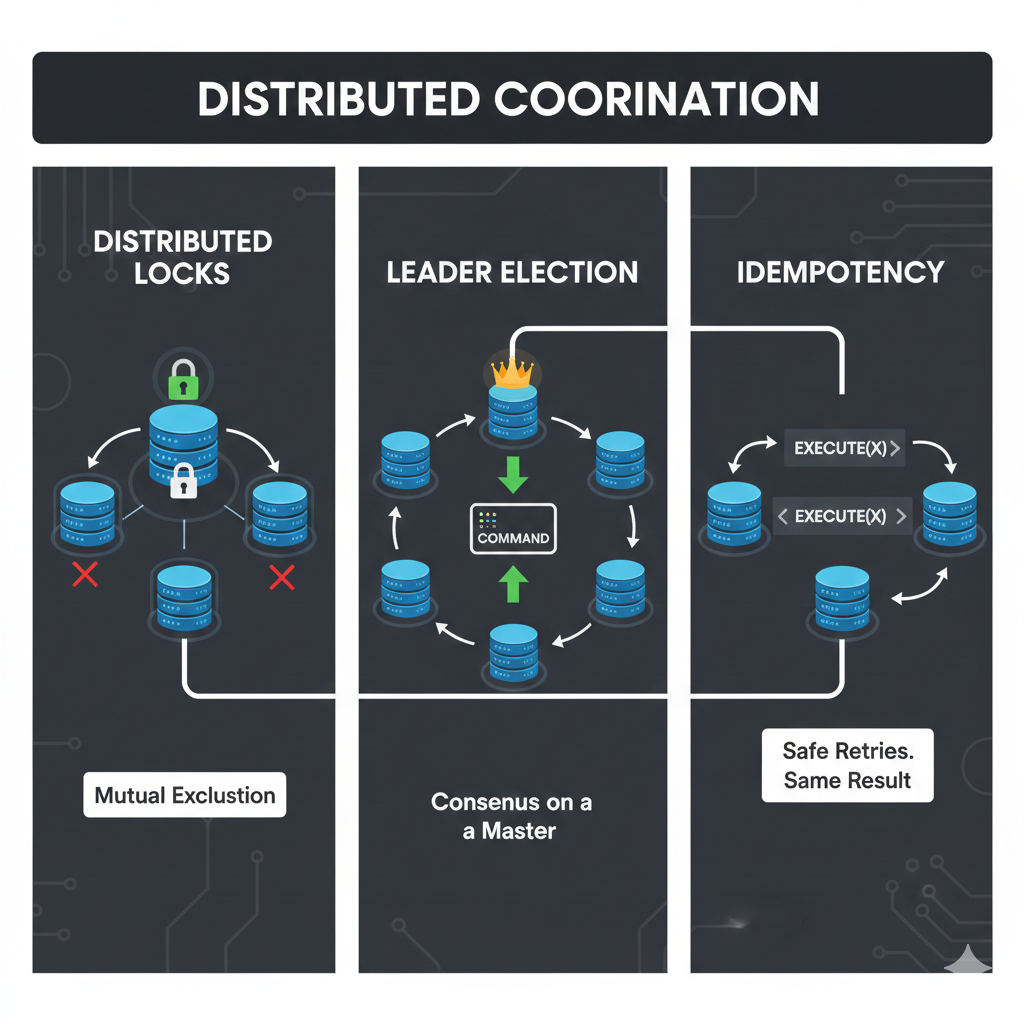
In distributed systems, multiple services run independently and communicate over unreliable networks.Coordinating actions across these services is challenging but essential for correctness and consistency. In this blog, we’ll explore distributed locks, leader election, and idempotency—three foundational coordination concepts. Why Coordination Is Hard Distributed systems face: Without coordination, systems may: Distributed Locks A distributed lock ensures

Distributed Coordination: Locks, Leader Election & Idempotency Read More »

Fault Tolerance, Failover & High Availability

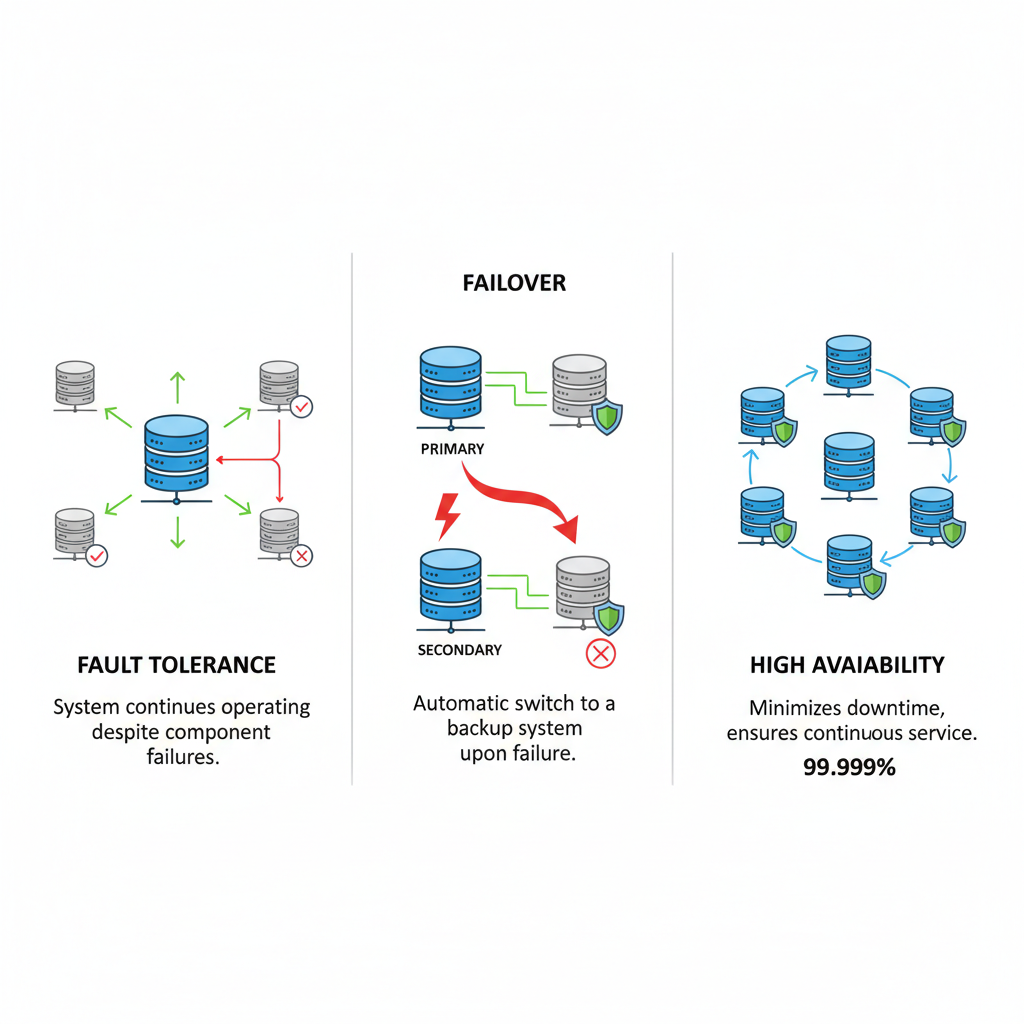
Failures are inevitable in distributed systems.Servers crash, networks fail, and data centers go down. Good system design focuses not on preventing failures, but on handling them gracefully. In this blog, we’ll cover fault tolerance, failover, and high availability, and how modern systems stay reliable at scale. Understanding Failures in Distributed Systems Common types of failures

Fault Tolerance, Failover & High Availability Read More »

Event-Driven Architecture & Messaging

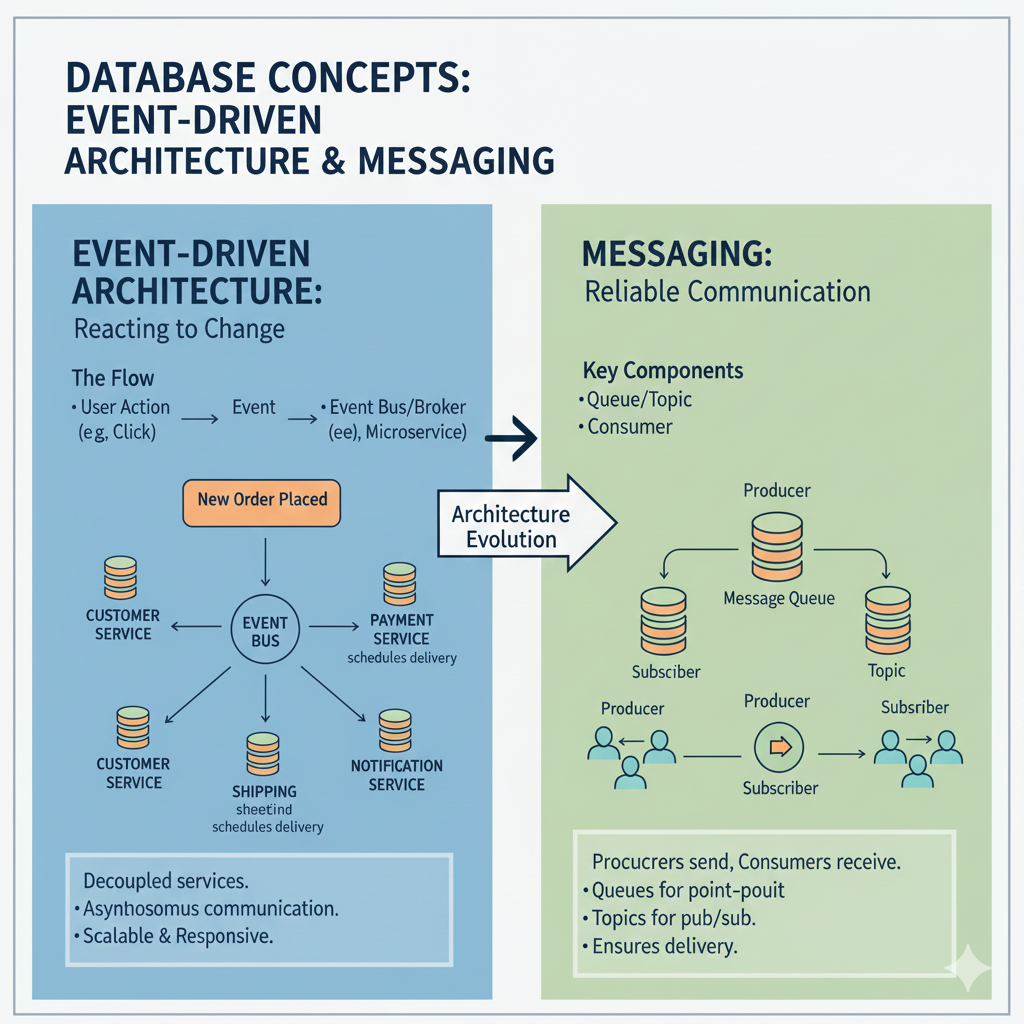
As systems grow and move toward microservices, direct synchronous communication becomes a bottleneck.Event-driven architecture (EDA) helps systems scale by allowing services to communicate asynchronously using events and messages. In this blog, we’ll cover event-driven architecture, message queues vs event streams, and when to use each. Synchronous vs Asynchronous Communication Synchronous Communication Example:Service A calls Service

Event-Driven Architecture & Messaging Read More »

Microservices vs Monolith

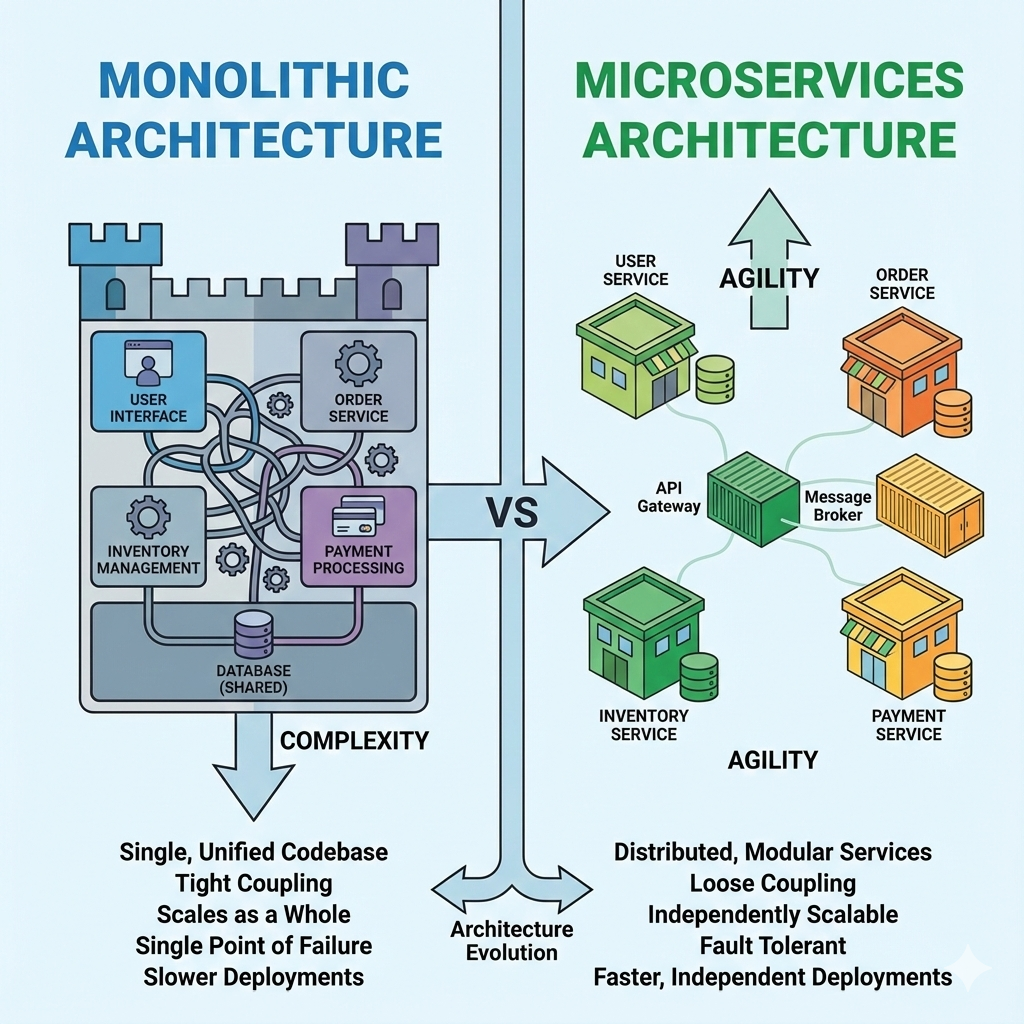
Choosing the right architecture is one of the most important decisions in system design.Two common approaches are monolithic architecture and microservices architecture. Each has its strengths, weaknesses, and ideal use cases. In this blog, we’ll clearly compare monoliths vs microservices, explain trade-offs, and help you decide when to use each. What Is a Monolithic Architecture?

Microservices vs Monolith Read More »